Title:
Held in Common: Place, Environment and the Foundations of Community Connectedness
Author:
Cristina Cerulli
Summary:
This paper examines the growing body of research on how the physical, natural, and cultural dimensions of place shape community connectedness, and identifies a set of key themes and questions for further research.
The built and natural environment is not a passive backdrop to community life: it actively shapes who people encounter, where they gather, what they share, and what they are able to do together. Understanding this requires attending to what is often invisible – informal histories, latent spatial potentials, and the labours of care that sustain community life.
Evidence from community-led housing, non-commercial neighbourhood sharing, urban commons research, and studies of cultural heritage governance demonstrates that progressive forms of community ownership and stewardship of physical and natural assets can generate significant relational goods: trust, belonging, resilience, and mutual support.
Research priorities include: understanding the specific mechanisms through which physical and natural assets support connectedness; exploring how cultural heritage – including contested and intangible heritage – shapes community identity; understanding the relationship between environmental wellbeing and social justice; and developing better methods for capturing the relational and commons-based value of shared assets.
These questions connect closely with all six of the Centre’s interdisciplinary research themes and are central to addressing challenges including poverty, social isolation, and the climate emergency.
Cite this Report:
Cerulli, C. (2026). Held in Common: Place, Environment and the Foundations of Community Connectedness. The Centre for Collaboration in Community Connectedness. https://doi.org/10.7190/c4.2026.3556352513
Cover Image Credit:
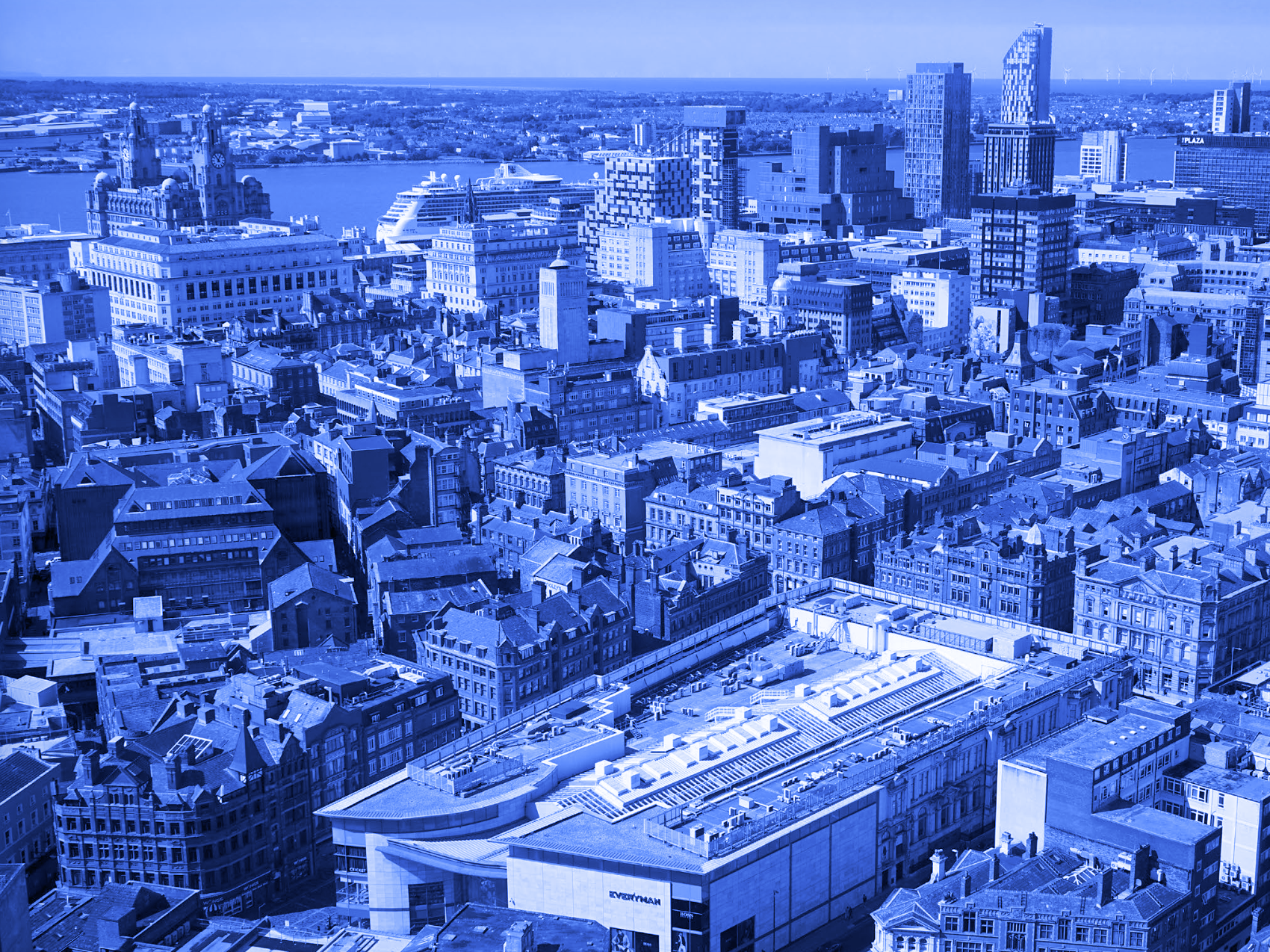
Mike Bird Via Pexels. https://www.pexels.com/photo/view-of-liverpool-in-sunlight-13435761/