22.04.2026
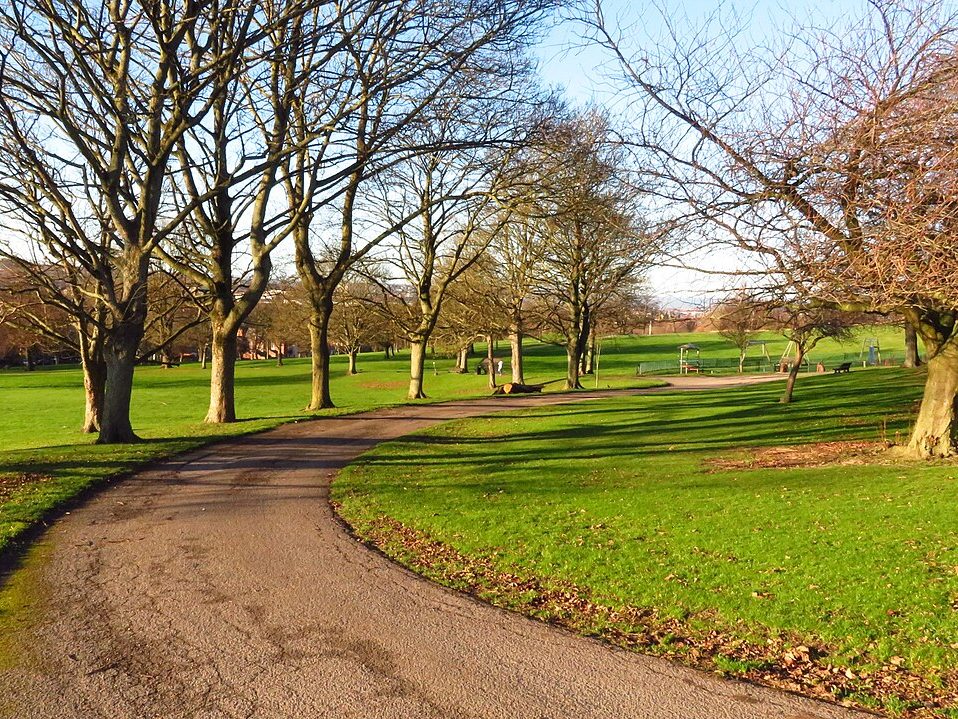 High Hazels Park in Darnall, Sheffield. Image Credit: Colin Park.
High Hazels Park in Darnall, Sheffield. Image Credit: Colin Park.
High Hazels Park in Darnall, Sheffield. Image Credit: Colin Park. A super-diverse, former industrial area like Darnall (East of Sheffield), has witnessed significant economic and social change. It is a place which often attracts research interested in diverse communities and/or the effects of deprivation. However, it also means communities are often ‘over-researched’ and over-consulted – without the necessary change or resources needed to positively alter daily lives. In these early stages of collaboration as the embedded researcher in Darnall Wellbeing, I have observed multiple requests from various local and regional government, academic institutions and primary care services, to be part of forums, advisory boards, research projects or to present the ‘community’ voice at events – all while trying to stay afloat in an ever-diminishing funding landscape across the NHS and charity sector.
With this in mind, my approach at Darnall Wellbeing has been first to listen, hold space and build on the knowledge already held and produced by communities. This active listening helps facilitate the grounded research needed, which emerges slowly, through sustained engagement. This is all in the hope of breaking cycles and historic patterns of extraction that practitioners, organisations, and communities from deprived areas and marginalised backgrounds, routinely experience.
For Waqas Hameed, Health and Wellbeing manager at Darnall Wellbeing, an embedded researcher is somebody who:
“Breaks down the barrier between the traditional role of a researcher from an academic institution, it means they are part of the Darnall Wellbeing staff and community, which is essential for building trust. They act as the buffer needed to capture information and make the plans needed to affect change, while we in the organisation are often tied down with the daily work needed to keep the organisation running.”
It is plain to see that many residents in the Darnall area are struggling with poor mental health, chronic health conditions, unemployment, isolation, and a cost-of-living crisis – all of which increases demand for services and support. But despite the systemic pressures, a week at Darnall Wellbeing provides the warmth, joy and respite that helps ease the sense of displacement that can come with being an embedded researcher. Part university staff, part community-based researcher – floating between two different organisations and areas of Sheffield – traversing across what ultimately are two different ways of working, being and living.
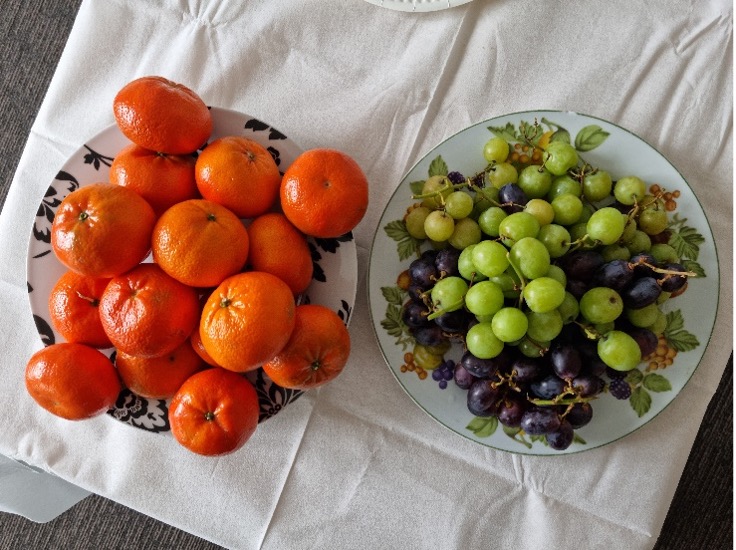
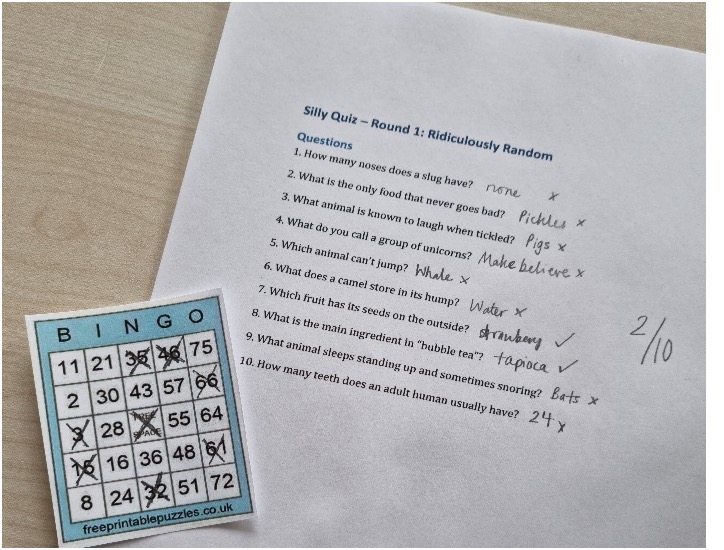
It’s Monday – the first working day after a long month of fasting for Ramadan and Eid celebrations – and staff at Darnall Wellbeing have organised an Eid celebration for its volunteers. Volunteers provide the capacity often needed to deliver Darnall Wellbeing’s range of health and wellbeing activities – although a deepening cost-of-living crisis has affected the number of people who can offer time away from work to volunteer. At our celebration, we chat, eat cake, peel fruit, carve into Jo’s famous quiche, play bingo and I abysmally fail a quiz!
It doesn’t sound much like ‘work’, but this is the work of building a team and connecting communities. It reminds me to add joy and pockets of fun into research activities.
When it’s time to wedge the laptop open to work on formal university tasks – I find time to talk to Alfred, a Darnall Wellbeing practitioner and family coach. I’m keen to understand his reflections on last week’s discussions prompted by me at the Men’s Health group, on digital technologies. The weekly Men’s Health group, facilitated by Alfred, sees men of all ages come together to talk, eat lunch and exercise. Digital technologies and Artificial Intelligence (AI) were a source of frustration for many men in attendance – while some positives were noted in being able to communicate with family and friends, it was also viewed as facilitating isolation and a culture of impatience. Concerns related to AI were particularly for younger generations and diminishing employment opportunities.
I was keen to explore where the employment concerns came from, despite the men in attendance having all retired. Alfred was able to put this into valuable context. Many of these men had already experienced the effects of the ‘third industrial revolution’ and its change to industrial workplaces. Therefore, many have already lived through, protested even, against the automation that threatened their livelihoods and sense of identity.
This reminded me of an essential point to bear in mind – people have already lived through cycles of what we are often researching. It emphasises the importance of understanding place-based histories and context. And on that note, over the next 6 months, I’m looking forward to launching the Histories of Community Action group with Ellie Munro (C4’s resident historian) – and just in time for Voluntary Action Sheffield’s celebration of 100 years of community stories. Come Autumn, celebrating the successes of Darnall Wellbeing’s 26 years at their Annual General Meeting on the 22nd October 2026 is another highlight already in the diary!
Cover Image Credit: High Hazels Park by Colin Park
Cite this article:
Quyoum, A. (2026). A Day in the Life of a Community Embedded Researcher: Aunam Quyoum. The Centre for Collaboration in Community Connectedness. https://doi.org/10.7190/c4.2026.9241477866