18.03.2026
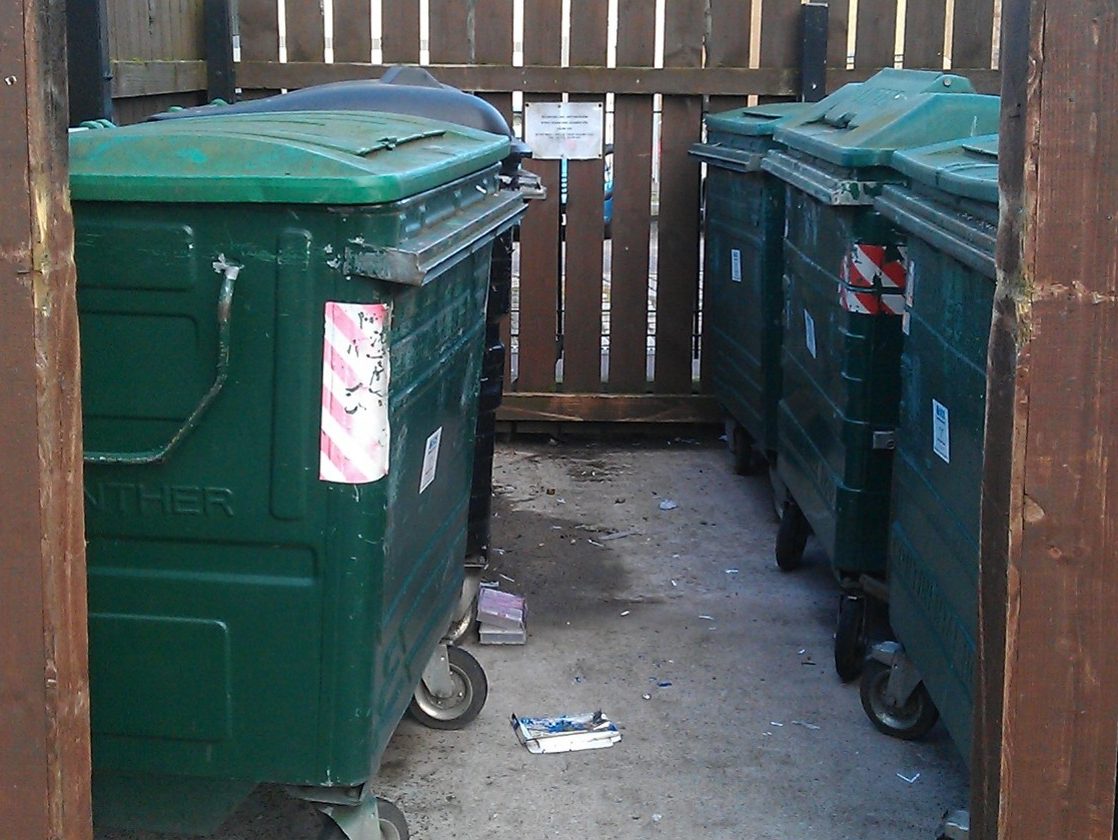 Local Recycling Bins. Image Credit: Peter Matthews
Local Recycling Bins. Image Credit: Peter Matthews
Local Recycling Bins. Image Credit: Peter MatthewsI’m a middle-aged man, I just couldn’t resist the opportunity to write about bins for Global Recycling Day. We all love bins and they bring us together. No, honestly, stay with me. I live in a block of flats and last week the council had not emptied our communal recycling bins for THREE WEEKS. The neighbourhood WhatsApp chat was alive with people complaining about it and telling us that they’d reported it to the council. As I write I’m in an email exchange with another middle-aged man about the very closely related problem of dog fouling.
Bins and waste bring us together. Particularly for a good moan.
My research also suggests that it can tell us a lot about how connected a community is. We have known for many decades now, that the key issue for most people in their immediate neighbourhoods is how clean it is – whether there is visible littering, dog-fouling and graffiti – and how quickly these problems are sorted.
Poor quality environmental services are one of the major ways inequality and disadvantage persist between affluent and non-affluent communities and neighbourhoods. Research has shown that service providers – in the UK most commonly local councils – often ignore the known structural reasons why less affluent neighbourhoods (for example, higher population turnover; lower-quality goods; fly-tipping) are less tidy and blame the residents and deliver a poorer standard of service.
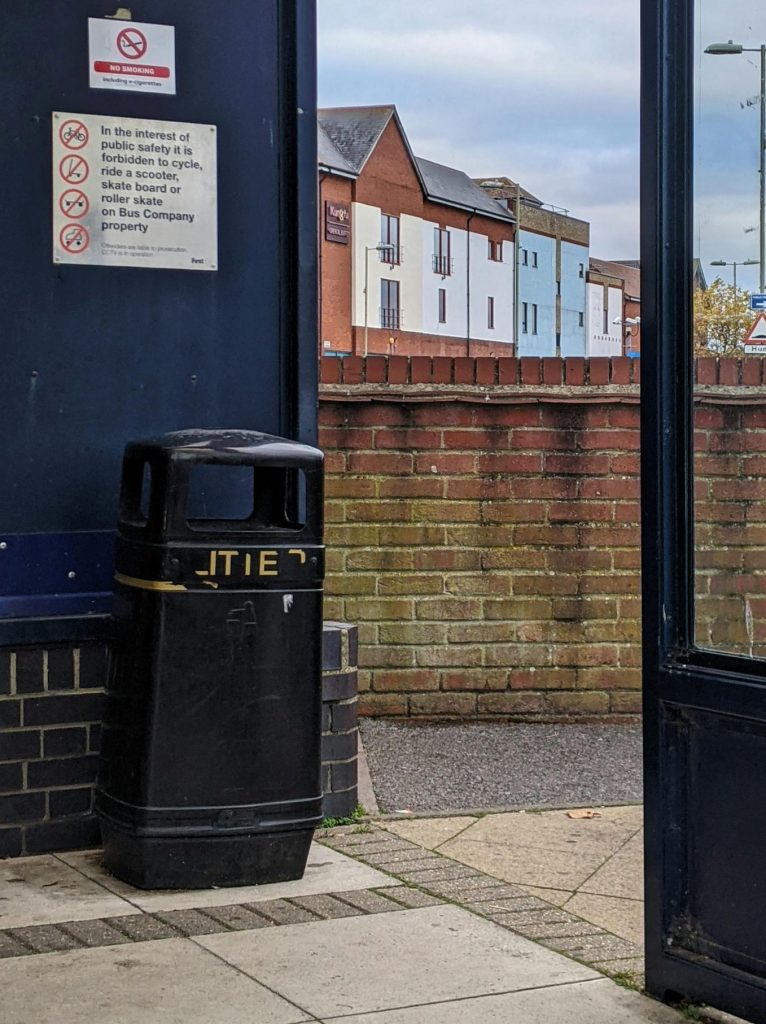
Environmental services also tell us a lot about people’s connections to public service providers, and to one-another. In my own research, we found that people in more affluent neighbourhoods were more likely to use the app FixMyStreet to report local environmental issues. The research showed that there were also differences in the types of report made – people in affluent neighbourhoods were more likely to report issues like potholes because they drove more; people in less-affluent neighbourhoods were more likely to report littering and dog-fouling, probably because they spent more time walking around their neighbourhood.
Bothering to go to the effort of reporting such problems as littering and bins, is also a sign of connectedness in that it shows the reporter has a lot of trust and generalised reciprocity – the act benefits others more than it benefits them, but they do it because they expect to get a greater collective benefit later on. When such trust and feelings of generalised reciprocity breakdown the consequences can be dire. The famous “broken windows” theory can be applied in this case – the idea that if a broken window is not quickly fixed, people will see it as a symptom of a broader breakdown of social norms and petty criminality will proliferate. Research from the US, suggests a similar issue with neighbourhood management – if the problems become so great, they become overwhelming for individual residents and they will just stop trying to resolve them.
Conversely, other research I was involved with demonstrated the gendered aspects of this collective behaviour. Analysing data of all such reports to North Lanarkshire Council in central Scotland, we showed that in the less affluent neighbourhoods, there were a core groups of “super-user” women in these places who reported issues hundreds of time a year. As has been shown in other research about similar neighbourhoods, we understood this to be an extension of female domesticity and domestic labour to the wider neighbourhood environment.
We can also consider recycling as generalised reciprocity at a trans-national scale. Recycling really does not benefit us, individually, at all. In fact, it’s a bit of a hassle: rinsing things clean; sorting them into separate waste streams; and having to contact your council if it’s not collected! Yet we do it because our pro-environment feelings extend us out to a global community. We are not recycling for our benefit; we are recycling because we all benefit, and because future generations will benefit from our actions. People we will never meet, but we have a connection to just because we rinsed that plastic packaging and put it in the correct bin.