06.05.2026
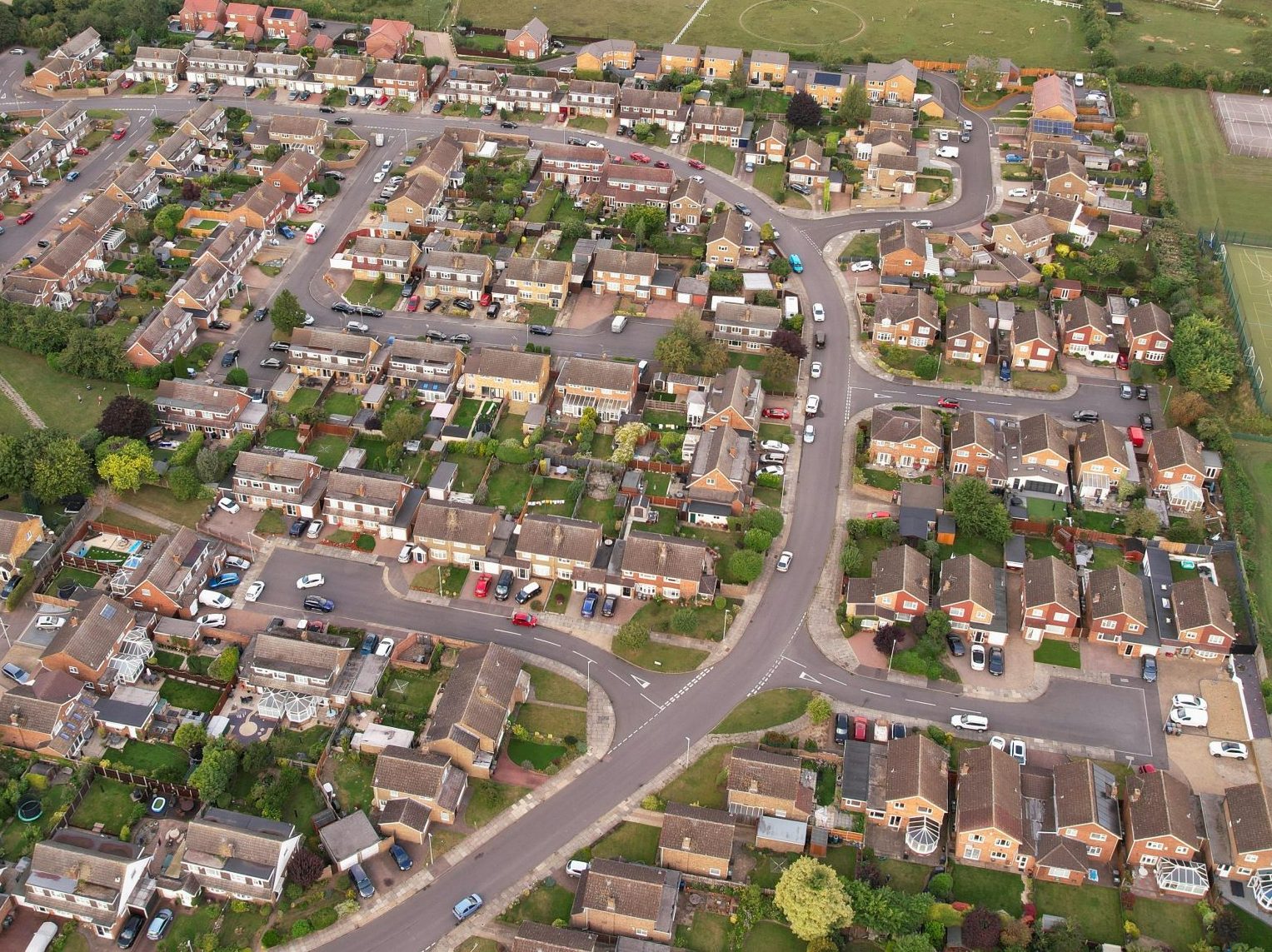 Image Credit: Altaf Shah via Pexels.
Image Credit: Altaf Shah via Pexels.
Image Credit: Altaf Shah via Pexels.Since Pride in Place was announced last autumn, there has been much discussion and excitement about how the over 240 neighbourhoods involved will each spend their allocation of £20 million. This is the latest iteration in a long history of English place-based community regeneration initiatives, so understanding where the success and failures of previous programmes come from may help Pride in Place Boards – the local decision makers about how the funding is spent – make better decisions for their future.
Community regeneration initiatives in the UK date back to the 1960s. The most recent iterations of this approach are New Deal for Communities, which ran between 1998 and 2011 in 39 areas, with an average area spend of around £50 million; and, Big Local, which involved 150 areas each distributing £1.15 million between 2011 and 2026. My research is looking at the legacies of these two programmes, and how they still impact communities after their closure. There are three main lessons from earlier programmes worth considering.
The first lesson we can learn from these initiatives is that placing residents at the centre can result in amazing things, but this needs to be done in a way which residents engage with. Consultation sometimes looked like community meetings over cups of tea, but also involved door knocking, exchanging completed questionnaires for ice cream, and even day trips to theme parks. This resulted in partnerships gaining in-depth insights into local priorities, and the identification of potential partnership members, beyond the ‘usual suspects’, who flourished under mentoring.
Alongside this consultation, my research suggests that areas need dedicated community development work, which may need to be provided by a paid, specialist worker. This is something which has been valued by partnership members, as a role which can support residents through taking responsibility for day-to-day execution of projects, allowing them to focus on making decisions for their communities. This role can also bridge the gap between the partnership and more specialist support, such as legal advice.
Secondly, external agencies, such as housing associations or larger charities, have an important role to play in supporting partnerships to achieve their goals. They may be consulted, commissioned to run a project, or invited to be part of a wider working group. Partnerships however, due to their community roots, may not work in ways which align directly with how outside organisations may work. They may work holistically, addressing issues through multiple angles, or they may want to try something differently which they think will reach service users more effectively.
Having an open mind, understanding, and respect for Pride in Place Boards is likely to help in laying the foundations and building trust for future work together.
The final lesson is that whilst ten years is a long time, the end will creep up quickly, and there is potential for Pride in Place Boards to have a continuing impact after the programme. My work on the legacy on community regeneration shows that fifteen years down the line, within many New Deal for Communities areas, community anchor organisations established are still shaping their communities and serving local need. From providing food pantries, education and training, to maintaining local sports facilities, legacy organisations are still supporting and advocating for the residents of neighbourhoods with boundaries drawn before the millennium, and increasingly beyond those too.
One reason they can continue to do this is through owning, and renting out, physical assets. Whilst many New Deal for Communities legacy organisations own community assets, such as community centres, they also own buildings such as retail and office space, health centres, and even fire stations, which are commercially let and generate a revenue stream which allows them to sustainably fund activities for their local community.
For Pride in Place areas, therefore, it is important to ask the question, ‘what do we want this place to look like in twenty years?’. Working out the answer to this – no matter how many differing opinions there may be – might provide guidance on whether to, and how to invest in local assets.
The next ten years provides an exciting opportunity in many areas for residents to shape their communities and develop stronger places. Reflecting on experiences of past initiatives provides an opportunity to learn lessons and think about how communities may benefit best from different approaches.
Image Credit: Altaf Shah via Pexels: https://www.pexels.com/photo/aerial-view-of-a-village-9310802/
Cite this Article:
Perkins, A. (May 2026). What lessons can we learn from previous community regeneration initiatives?. The Centre for Collaboration in Community Connectedness. https://doi.org/10.7190/c4.2026.6078084802