10.04.2026
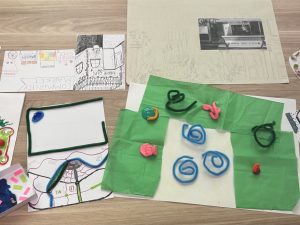
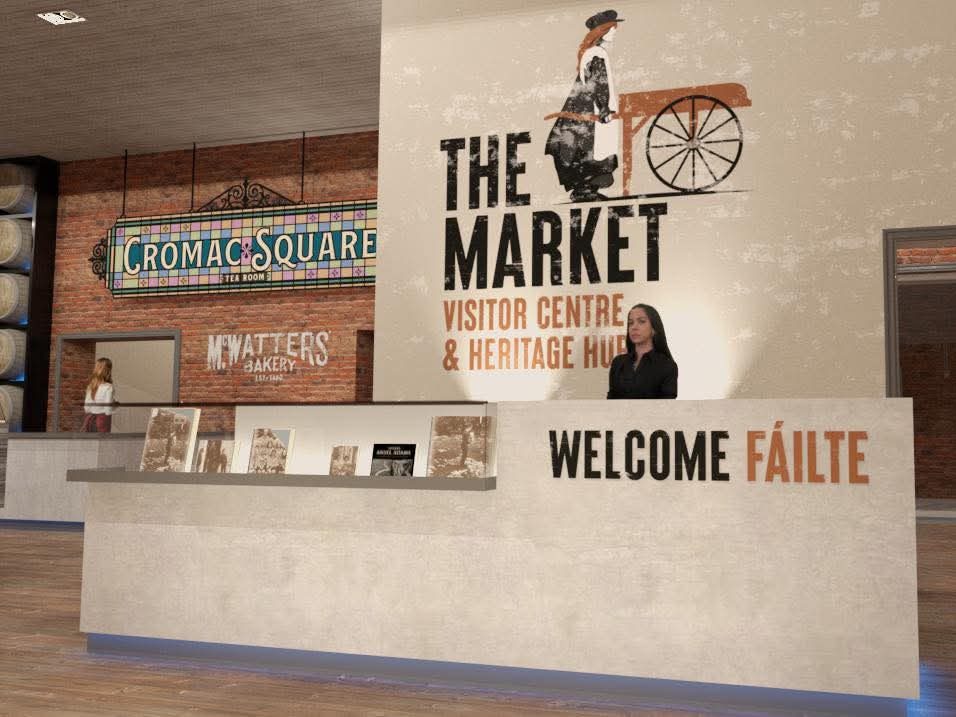 A visual representation of the new Market Visitor Centre and Heritage Hub.
A visual representation of the new Market Visitor Centre and Heritage Hub.
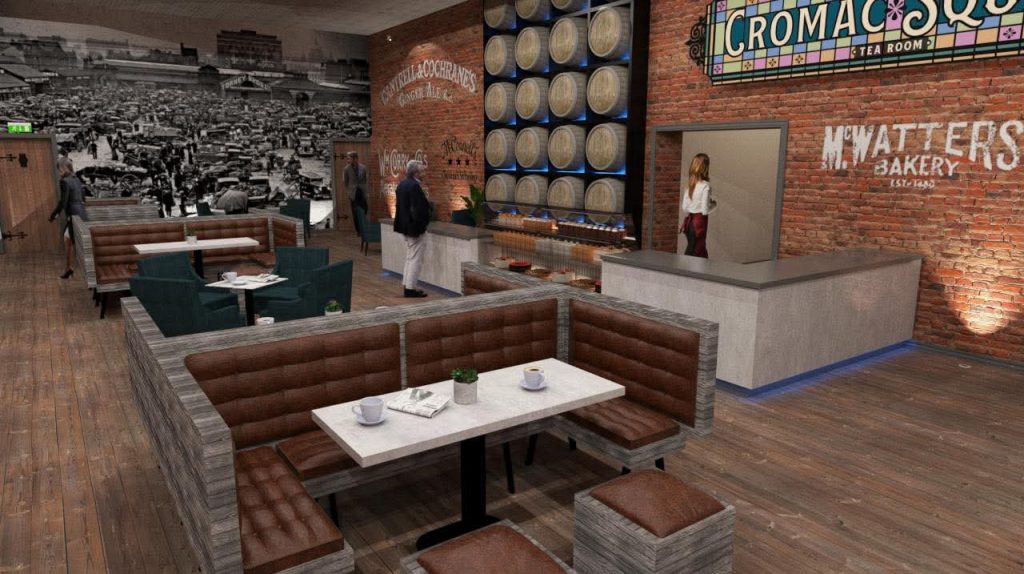
A visual representation of the new Market Visitor Centre and Heritage Hub.There isn’t really such a thing as a “typical” day as an embedded researcher, and that’s probably the point. I’ve come to realise that the role sits somewhere between research, relationship building, and simply being present, shaped as much by the people and conversations around you as by any formal plan. Some days are structured and meeting heavy, whilst others unfold more slowly, shaped by unplanned interactions that often turn out to be the most important. It requires flexibility, but also a consistency in how you show up over time.
For me, one of the most consistent anchors in the week is Monday afternoon in the Market. This is when I meet with colleagues from Queen’s Communities and Place (QCAP) alongside partners in the Markets Development Association (MDA) in the local community centre, where the work feels closest to the everyday realities of the area. Over time, I’ve noticed these sessions shift, what started as more general conversations has become increasingly focused on grounding the work through ongoing engagement and consultation, particularly around the future of St Malachy’s Convent School.
What I find most valuable about these meetings is that they don’t feel overly formal. A conversation might begin with a simple update but quickly opens into something broader, such as reflections on recent engagement, questions about how different strands of work connect, or small but telling insights into what matters locally. There’s a rhythm to them now, but they remain open, shaped by what is happening in the area week to week.
More recently, I’ve found these conversations returning again and again to how consultation around St Malachy’s can be shaped in a way that genuinely reflects local priorities. What has stood out to me is the emphasis on listening, rather than jumping too quickly to solutions. Instead of treating it as a fixed regeneration project, the discussion tends to centre on how people see the space, what they value about it, and what role they think it should play in the future of the area. In that sense, it becomes less about arriving at a single outcome and more about creating space for ongoing dialogue.
I’ve also noticed how rarely these conversations stay confined to one topic. They move easily into wider issues in the Market, particularly housing, local services, and the pressures people are dealing with day to day. That wider context has really shaped how I understand the consultation – not as something separate, but as part of the broader life of the community. Alongside this, a lot of my time has been spent trying to build a clearer picture of what already exists. This has meant mapping local organisations, spaces, and networks, and going back through previous consultations, reports, and data. What strikes me is not a lack of insight, but the opposite, there is a huge amount of knowledge already there. The challenge is making sense of it, connecting it, and ensuring it actually informs what happens next.
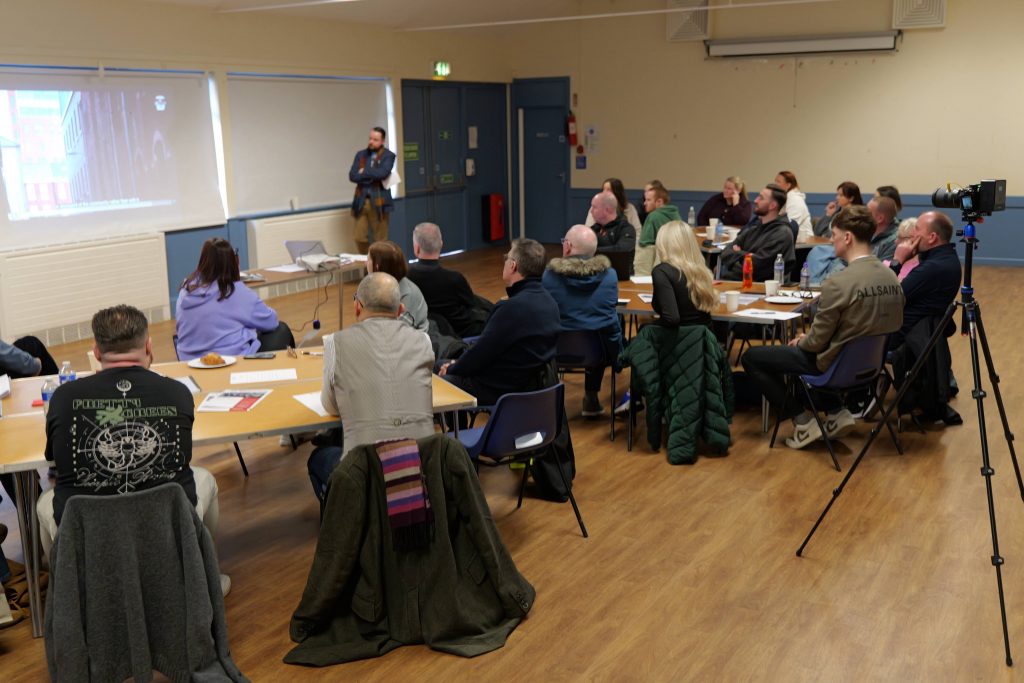
As these strands begin to come together, I’ve found myself thinking more about the consultation process itself, who is involved, whose voices are heard, and how feedback is used in a way that feels visible and meaningful. There’s a shared sense that how the process unfolds is just as important as where it leads. The weekly sessions remain conversational and responsive, which I think is what allows the work to develop in a way that feels grounded rather than imposed. Outside of these meetings, much of my time is spent in a different mode – working through notes, reflecting on conversations, and trying to translate what I’ve heard into something useful, whether that’s for academic work or to support ongoing engagement locally.
I’ve come to realise that a big part of my role is about making connections between different pieces of work, people, and what has already been said and what still needs to be understood. If there is one thing that has become clear to me, it’s that none of this works without relationships. Trust builds slowly, through consistency, openness, and a willingness to listen carefully. Processes like the consultation around St Malachy’s Convent School depend on that trust, not just to gather views, but to ensure that those views actually shape what happens next.
Looking ahead, I see a real opportunity to keep developing this work in a way that stays grounded in the community, building on what already exists while creating space for local knowledge to shape future direction in a way that feels both practical and lasting.
Cite this article:
Halforty, N. (2026, April 10). A Day in the Life of a Community Embedded Researcher: Neal Halforty. The Centre for Collaboration in Community Connectedness. https://doi.org/10.7190/c4.2026.4019568392